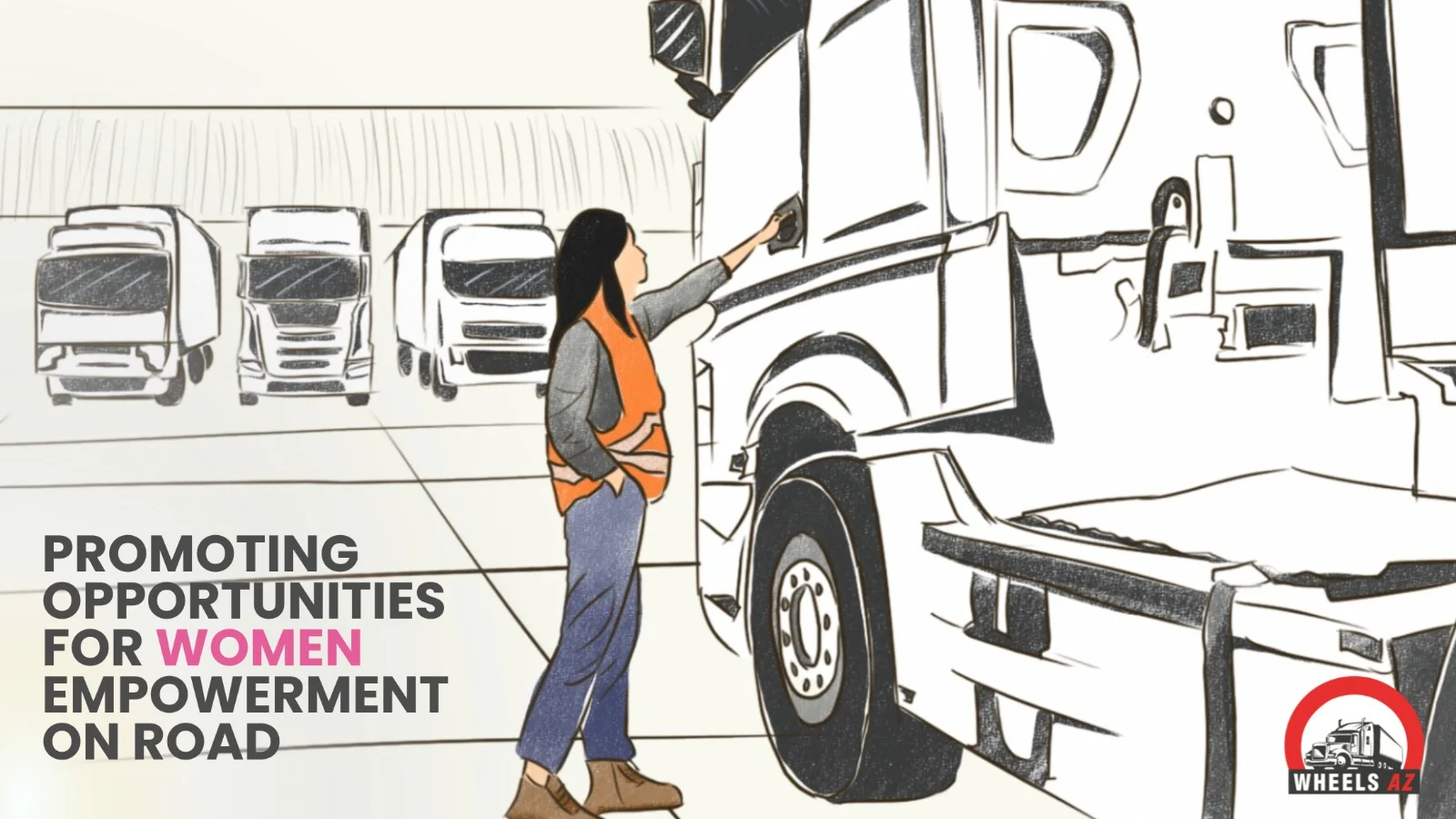
Power - Promoting Opportunities for Women Empowerment on Road
POWER is a specialized initiative designed to equip women with the skills, confidence, and opportunities required to be a part of the thriving Canadian trucking industry.
POWER isn’t another MELT program, it has a 360 approach with emphasis on not just skill development but also on other vital aspects like Defensive Driving, Border Crossing, Winter Driving, Hours of Service, Emergency Response. The program is also backed by going on initial trips with an experienced driver for real-time, hands-on experience of delivering goods.
The comprehensive program is 100% funded by Government of Ontario under the Skill Development Funds Training Stream. This ensures that the fee doesn’t becomes a liability for women who have been long willing to be a part of the industry but hefty training fees became an entry barrier for them. With POWER by their side, women can now start their journey of getting ready to take on the wheel without any financial implications.
PROGRAM HIGHLIGHTS
- Fully Funded Program: The entire course fee is funded by funded by Government of Ontario under the Skill Development Funds Training Stream.
- Experienced trainers: The faculty at Wheels AZ is full of experienced trainers that focus on making learning and acquiring skills easy for the learners with the help of their expertise and experience.
- State of art boardroom: We have our boardroom where different ideas and important decisions related to training, learning, and new changes in rules and regulations are discussed. Wheels AZ allows its faculty as well as its students to bring out anything valuable on the table to discuss.
- In house curriculum: The curriculum used at Wheels AZ is an In house made curriculum that focuses on imparting basic to advance crux of truck driving and providing on the ground implementation of the skills.
- Well maintained equipment: To implementing the learned skills easy Wheels AZ has its well-maintained equipment to give practical exposure to its students.
- Beyond MELT - POWER Isn't just MELT, it goes beyond and that's why it's tenure is 10 Weeks. POWER starts where MELT ends, it gives you added experience and abilities on the road.
M.E.L.T vs POWER
The M.E.L.T Program is necessary for obtaining an AZ licence hence there is no comparison between the two. In fact M.E.L.T is a part of POWER Program. But the add-on advantage which POWER has is that it is more comprehensive, in-depth and practical approach oriented. It focuses not just on skills but also on situational awareness and orientation. It makes a driver capable to handle situations like emergencies, winter driving, border crossing, loading, unloading, delivering and completing trips.
Curriculum
- MELT Certification
- Defensive Driving
- Winter Driving
- Dangerous Goods
- Border Crossing
- Dock Operations
- Communication & Confidence Training
POWER Program Available Seats for 2026-27
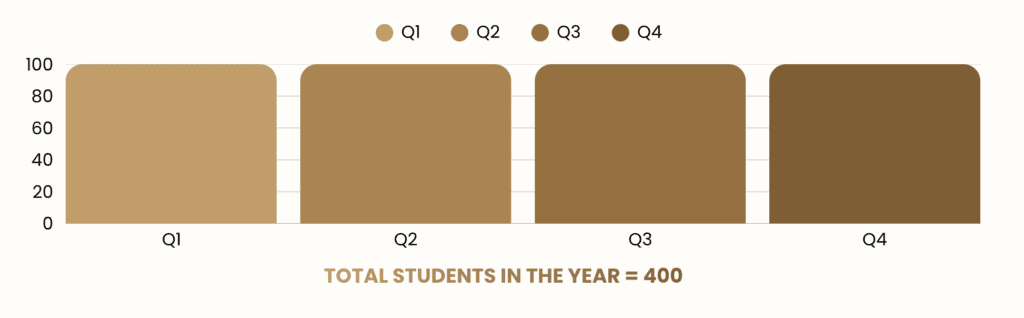
Total Number of Students in 2026-27 = 100
Curriculum
Experienced Trainers
State of Art Boardroom

In-House Curriculum
Well Maintained Equipment
Experienced Trainers
State of Art Boardroom
In-House Curriculum
Well Maintained Equipment
Impact of Power on Canadian Economy
Economic Importance of the Transportation / Trucking Sector:
-
- In its 2024-25 GBA+ report, Transport Canada notes that the transportation sector contributed $92.5 billion, or 4.1% of Canada’s GDP.
- There is a labour-supply challenge: the trucking sector is expected to face significant driver shortages due to retirements, among other factors.
Growth in Women’s Employment in Trucking:
-
- From 2016 to 2021, female employment in transport-truck driving grew at an average annual rate of 7.5%, versus 3.3% for men, per Trucking HR / StatCan data.
- The total number of women in the broader “trucking and logistics” sector rose 27% over that same period.
Alleviating Driver Shortages
- Because women are massively underrepresented (4% of truckers), increasing their participation could significantly expand the labour pool.
- This would help reduce shortages, lower turnover, and stabilise the workforce. A more stable trucking workforce reduces cost pressures on businesses that depend on freight.
Reducing Operating Costs
- With a bigger and more diverse workforce, trucking companies might reduce recruitment costs (if they can hire more women).
- Also, if women continue to have lower turnover or different safety profiles (as often suggested in literature), that could reduce costs related to accidents, insurance, and training.
Boosting GDP via Higher Productivity
- If more women enter the trucking workforce, the sector’s capacity would grow.
- Given transport contributes ~4.1% of GDP, increasing labour capacity in trucking could indirectly raise national GDP through improved freight movement and supply chain efficiency.
- More drivers also mean fewer bottlenecks, which can enhance trade throughput (especially important for a country with large trade volumes).
Socio-Economic Benefits
- Higher wages in trucking could mean increased household incomes for women entering the field, leading to greater consumer spending.
- It could also help close gender income gaps, particularly in a traditionally male-dominated, relatively well-paid sector.
Long-Term Labour Force Sustainability
- The trucking workforce is ageing, and retirements are a risk. By tapping underutilised labour (women), the industry can sustain its workforce over the long term without relying solely on more traditional hiring pools.
- This would have a stabilizing effect on the national economy, particularly for sectors that heavily rely on road freight.
POWER Program FAQ
POWER stands for Promoting Opportunities for Women Empowerment on Road. It is a fully funded training program that helps women build the skills, confidence and real industry experience needed to enter the Canadian trucking sector.
Yes. The entire program is funded by the Government of Ontario under the Skills Development Funds Training Stream. There are no tuition fees for learners.
Yes. MELT is mandatory for an AZ licence. POWER includes MELT as part of the curriculum while adding more in depth and practical training that MELT alone does not cover.
MELT teaches essential licensing requirements. POWER goes far beyond that with modules like Defensive Driving, Border Crossing, Winter Driving, Hours of Service, Dock Operations and real trips with an experienced driver. POWER prepares you for actual trucking operations, not just the licence test.
Yes. MELT is mandatory for an AZ licence. POWER includes MELT as part of the curriculum while adding more in depth and practical training that MELT alone does not cover.
Women who are eligible to work in Canada and are interested in pursuing a trucking career can apply. No prior truck driving experience is required.
The program runs for 10 weeks. The duration is longer because POWER includes advanced skill building and practical exposure beyond MELT.
No. Wheels AZ provides well maintained trucks and equipment for training and practice.
Graduates can apply for entry level commercial driving roles such as AZ drivers, trucking assistants, yard drivers and other opportunities within the logistics and transportation industry.
Yes. POWER includes initial trips with experienced drivers so participants can experience real deliveries, route handling and on road challenges.
Yes. POWER trains women for real Canadian conditions including winter driving, emergencies, and cross border requirements. This is one of the reasons why it stands apart from basic training programs.
Participants must meet the legal requirements for obtaining an AZ licence in Ontario. Other than that, there is no upper age limit for joining.
Training takes place at Wheels AZ facilities which include classrooms, a modern boardroom and practical training areas.
Yes. Since MELT is included, participants will take the required tests to obtain their AZ licence. POWER prepares you thoroughly for these assessments.
You can contact Wheels AZ or fill out the application form through the program’s official channels.